The Allure of Winning: Understanding Player Motivation
The thrill of potentially winning a large sum of money is a potent motivator for many individuals who frequent casinos. This allure can be traced back to the psychological phenomenon known as «variable ratio reinforcement,» where rewards are given sporadically, creating a sense of excitement and anticipation. Players often find themselves drawn to games like slots and roulette, where the prospect of a sudden windfall becomes an intoxicating draw. Additionally, understanding the odds and strategies behind australian betting sites can further enhance their gaming experience, as the unpredictability of the outcomes sparks a deep-seated desire to keep playing, leading them to believe their chances will improve with each new wager. This belief reinforces their commitment, blurring the lines between rational decision-making and emotional impulse.
Moreover, the concept of the «near-miss» is prevalent in games of chance. When players come close to winning—such as landing two out of three matching symbols on a slot—this experience can evoke feelings of hope and motivation to continue playing. The brain’s reward circuitry responds powerfully to these near-wins, reinforcing the behavior and making players feel that victory is just around the corner. Such psychological mechanics exploit a player’s emotions and serve to deepen their engagement with the game, often leading them to spend more time and money than they initially intended. This cycle of hope and desire can be incredibly compelling, making it challenging for players to walk away.
This desire to win is further complicated by the emotional high players experience during gameplay. Winning provides a rush of dopamine, a neurotransmitter linked to pleasure and reward. This chemical reaction can create a feedback loop where players relentlessly pursue that feeling again and again, often leading them to overlook their losses. The interplay of excitement, hope, and desire for recognition fuels players’ commitment to casino games, making it crucial to understand these psychological elements from both a player’s and a casino operator’s perspective. For many, the journey of playing becomes as important as the outcome, reflecting a deep psychological connection to the gaming experience.
The Role of Environment: How Casinos Are Designed to Entice
The environment within a casino is meticulously crafted to enhance the psychological experience of the players. From vibrant colors to engaging sounds, casinos employ a range of sensory stimuli to maintain excitement and encourage longer play sessions. The use of bright lights, the sound of chimes, and the clinking of coins creates an ambiance that feels alive and welcoming, drawing players deeper into the gaming experience. This design strategy not only captivates the senses but also conditions players to associate the casino environment with happiness and thrill. Such intentional design creates an immersive experience that keeps players engaged and entertained.
In addition, the layout of a casino is intentionally strategic. High-stakes games are often positioned behind colorful slot machines, engaging players to wander through different sections of the casino, leading to impulsive gambling behavior. The clustering of gaming tables and machines invites participation, making it difficult for players to resist the temptation to join in. Furthermore, casinos often do not have windows or clocks, creating a disorienting effect that helps players lose track of time, further amplifying their gaming experience. This intentional disorientation enhances the thrill, making it easier for players to stay longer and spend more.
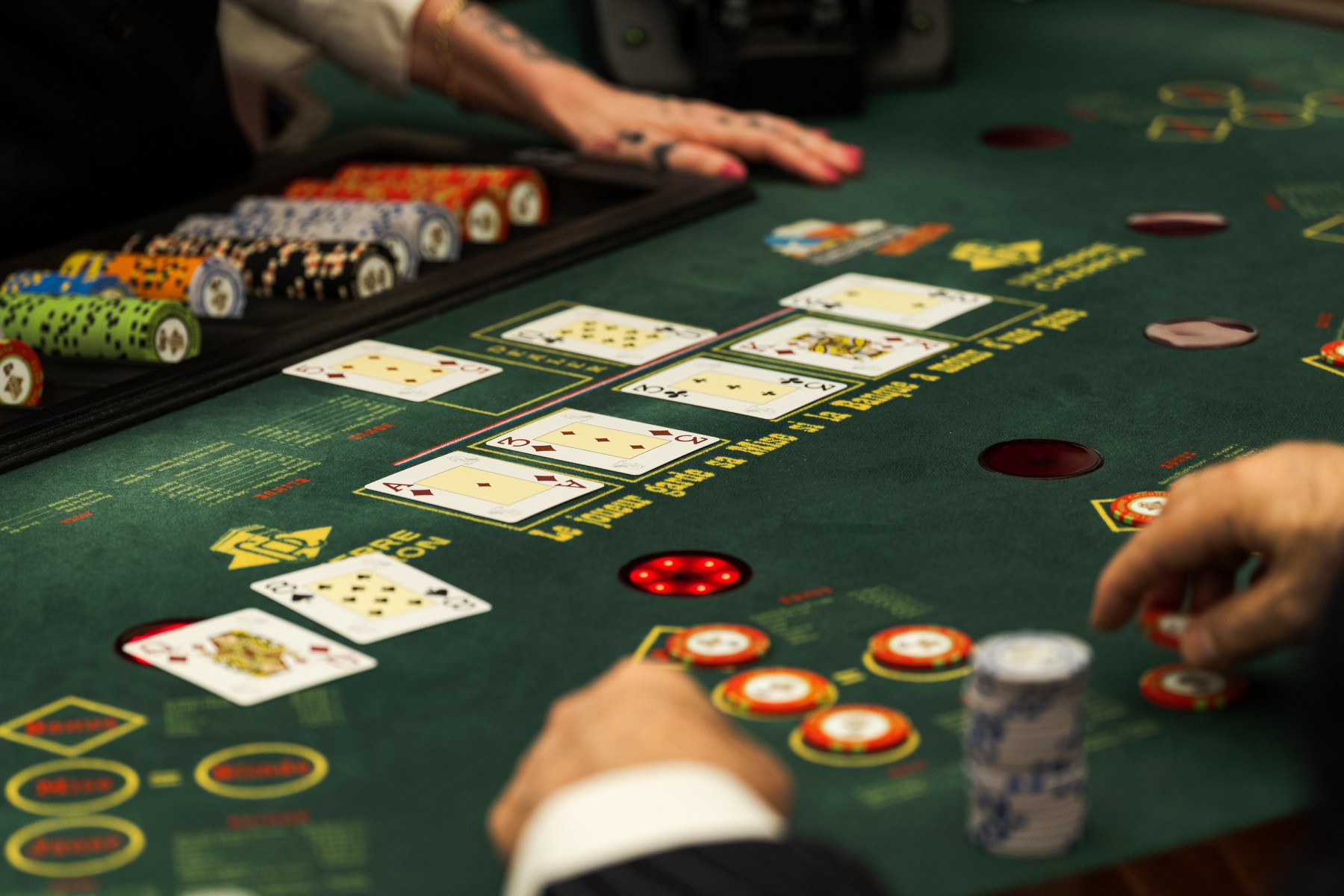
The design elements also extend to the vending of alcoholic beverages. Many casinos provide complimentary drinks to players, effectively lowering their inhibitions and skewing their judgment. Alcohol can lead to a state of mind where players are more likely to take risks and continue gambling, despite facing losses. The overall environment of a casino is not merely a backdrop; it is a carefully constructed framework that taps into the psychology of human behavior, influencing decision-making and prolonging engagement. This combination of sensory stimulation and strategic planning underlines the importance of environmental factors in shaping player experiences.
The Impact of Social Interaction in Gambling Behavior
Social dynamics play a significant role in casino gaming, shaping the way individuals engage with games and each other. Many players are drawn to casinos not just for the games themselves, but for the social environment they provide. The excitement of being around other players, sharing in the highs and lows of the games, and even competing for wins adds an essential layer to the gambling experience. These interactions can create a sense of community, encouraging players to return for the camaraderie as much as the potential rewards. Casinos often capitalize on this social aspect by creating spaces that foster interaction and engagement.
Research shows that players are more likely to gamble when they are in groups, as the presence of others can amplify excitement and lead to riskier betting behaviors. Table games, like poker and blackjack, especially thrive on interaction, where players can read each other’s emotions and strategize in real time. This blend of social interaction and competition heightens the overall gaming experience, reinforcing the idea that gambling is not solely about money but also about shared experiences and connections. The social atmosphere can significantly enhance the enjoyment of the game, making it an integral part of the gambling experience.
Furthermore, the social aspects of gambling can lead to a phenomenon called «social proof,» wherein individuals look to others’ behaviors to guide their own. If a player sees someone else winning, they may feel encouraged to continue playing or increase their bets. The excitement within a group can be contagious, creating a collective atmosphere that blurs the lines between rational decision-making and emotional impulse. This influence underscores the importance of social settings in the gambling psyche, as they can significantly alter players’ perceptions of risk and reward. Understanding these social dynamics can help players navigate their gambling experiences more effectively.
Behavioral Economics and Decision-Making in Gambling
Behavioral economics provides a framework for understanding the decisions individuals make within casinos, highlighting how emotional and cognitive biases can impact gambling behavior. One of the most relevant concepts in this context is «loss aversion,» which suggests that the pain of losing is more significant than the pleasure of winning. This imbalance can lead players to chase losses, increasing their bets in an attempt to recover what they have lost, often leading to even greater losses. This behavior illustrates the irrationality that can arise from emotional responses, emphasizing the need for awareness in gambling practices.

Moreover, the phenomenon of «sunk cost fallacy» is prevalent in gambling scenarios. Players may continue to wager beyond their limits because they feel committed to the amounts they’ve already invested, believing that leaving the game means admitting defeat. This cognitive bias can result in players making irrational decisions and staying longer in games than they need to, all because they want to justify their initial investment. The more they play, the more entrenched they become in this cycle, which showcases how cognitive biases can drive gambling behaviors. Understanding this fallacy can empower players to make more informed choices.
The influence of framing effects on decision-making is another crucial aspect to consider. The way choices are presented can significantly affect how players perceive risks and rewards. For instance, a player might feel more compelled to play a game that emphasizes potential wins rather than the odds of losing. By understanding these behavioral economics principles, operators can design games and marketing strategies that effectively tap into these biases, further driving player engagement and spending. This knowledge not only aids casino operators but also informs players about how to navigate their decisions in a more rational manner.
Your Guide to Understanding Casino Psychology
For those looking to delve deeper into the complex psychology of casino games, understanding the interplay of various factors is essential. The gaming experience encompasses a wide range of behavioral, emotional, and environmental elements that influence player behavior. By recognizing these influences, players can better navigate their experiences and make informed decisions about their engagements. This understanding promotes a healthier approach to gaming, allowing individuals to enjoy the thrill without falling into detrimental patterns.
Furthermore, being aware of the psychological pitfalls can empower players to establish healthier gambling practices. By understanding the allure of games and the psychological triggers at play, individuals can set clearer boundaries, creating a more positive and controlled gaming experience. Resources and support networks are available for those who find themselves struggling with their gambling behaviors, emphasizing the importance of awareness and education in navigating the world of casino games. This proactive approach can lead to more fulfilling and responsible gaming experiences.
Ultimately, the blend of psychology and casino gaming creates a rich tapestry that highlights the complexities of human behavior. By exploring these aspects further, both players and operators can foster a more responsible approach to gambling, ensuring that the thrill remains a source of enjoyment rather than a potential source of distress. Understanding the psychology behind casino games is not just about evaluating risks; it is about cultivating a well-rounded understanding of the gaming experience itself. Embracing this knowledge can lead to more satisfying and responsible interactions with the world of casino entertainment.